
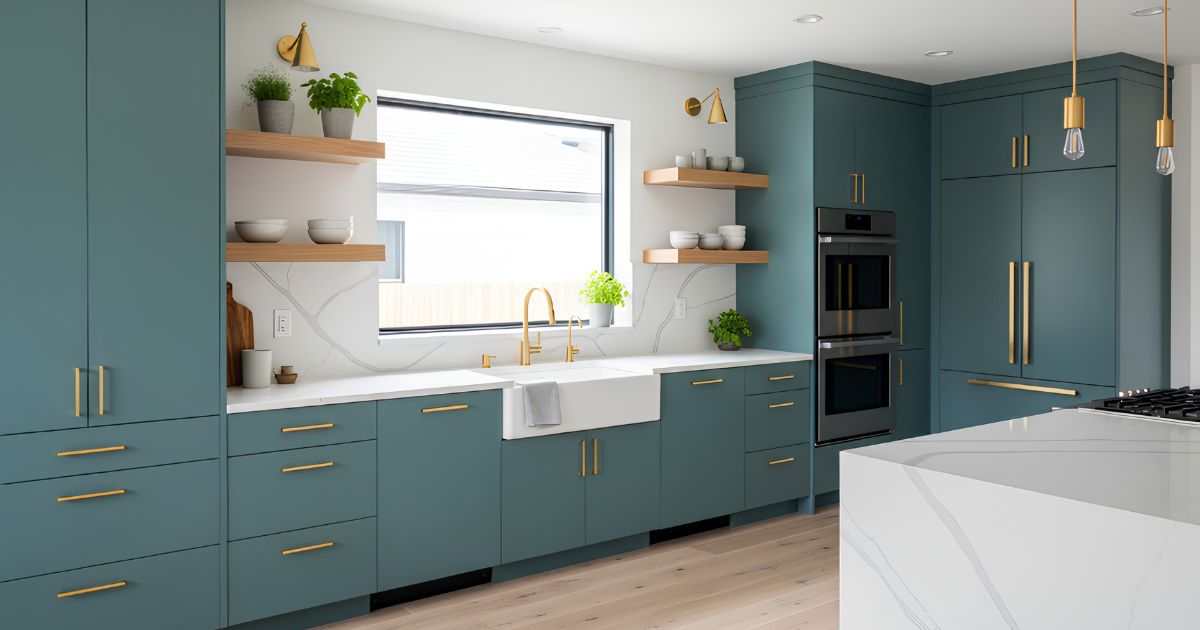

Teal kitchen cabinets are bold, beautiful, and surprisingly versatile. They blend blue and green into one color that feels fresh yet timeless. Whether your kitchen is small or spacious, teal works. It adds personality without overwhelming the space. More homeowners are making the switch and it’s easy to see why.
This ultimate guide to teal kitchen cabinets covers everything you need to know. We’ll walk you through the best shades, design styles, and hardware pairings. You’ll learn what countertops work best and how to keep your cabinets looking great long-term. No fluff just practical, helpful advice. By the end, you’ll know exactly whether teal is the right move for your kitchen. Spoiler: it probably is.
What Is Teal?
Teal sits between blue and green on the color spectrum. It’s a cool, versatile color that carries the calm of the ocean and the freshness of nature at the same time. In design terms, it reads as sophisticated without being stuffy.
What makes teal so interesting is its range. You can go soft and dusty for a relaxed, vintage feel, or deep and saturated for a rich jewel-tone look. That flexibility is exactly why it works in so many kitchen styles. It adapts and it does it well.
Related POST: The Ultimate Guide to Styling Calacatta Gold Quartz
Why Choose Teal Kitchen Cabinets?
Let’s be honest most kitchens play it safe with white, gray, or beige. There’s nothing wrong with that, but teal gives you a chance to express real personality without going overboard. It’s the kind of color that feels intentional. Confident. Done right, it’s genuinely stunning.
Beyond looks, teal is surprisingly practical as a kitchen color palette choice. It reflects light in a way that brightens smaller kitchens, and it creates a natural focal point in larger ones. It pairs well with wood, stone, metal, and tile so you’re not locked into one look. That makes it a smart, flexible choice for modern kitchen renovation projects of all sizes.
Popular Teal Shades for Kitchen Cabinets
Light Teal Kitchen Cabinets
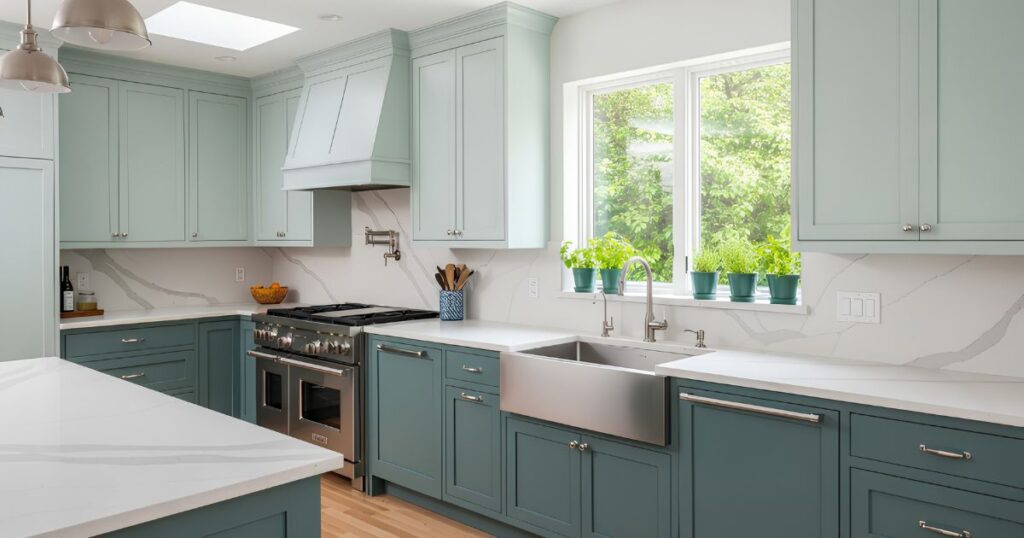
Light teal is fresh, airy, and effortlessly pretty. These softer shades work beautifully in coastal, Scandinavian kitchen design, and farmhouse kitchen styles where the goal is openness and warmth. Think of it like a breath of sea air clean and calming. Light teal kitchen cabinets with white countertops are a particularly popular combo because the contrast feels crisp without being cold. If your kitchen gets good natural light, a light teal finish will absolutely sing.
Dark Teal Kitchen Cabinets
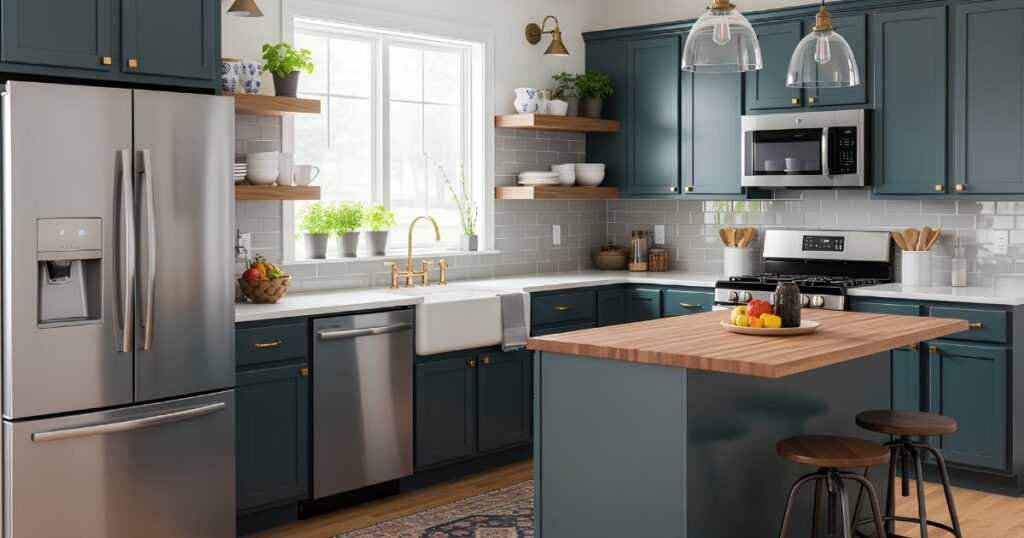
Dark teal is where things get dramatic. These deeper, richer shades add real depth and weight to a kitchen in the best possible way. Dark teal kitchen cabinets with gold hardware are especially striking. The brass tones warm up the cool cabinet color and create that luxurious, high-end feel. This shade suits modern kitchen renovation projects, industrial lofts, and upscale transitional kitchen style spaces where you want the cabinetry to make a statement.
Teal Kitchen Cabinets in Different Design Styles
Modern Kitchens
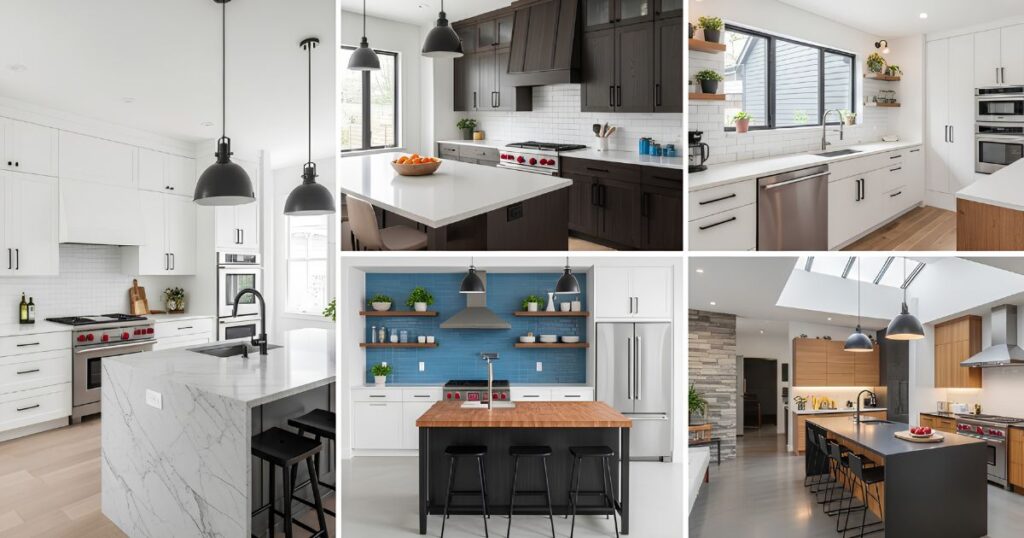
In a modern kitchen, teal works best as flat-panel cabinetry with minimal hardware. The sleek surface lets the color do the talking. Pair dark teal with matte black hardware and a waterfall quartz countertop for a seriously sharp contemporary teal kitchen look. Keep other elements clean and restrained so the color stays front and center.
Traditional Kitchens
Painted teal cabinetry with raised-panel doors and detailed molding brings genuine warmth to a traditional space. It’s a refreshing twist on the classic painted kitchen look. Go with antique brass or oil-rubbed bronze hardware to keep the old-world character intact. Soft off-white walls balance the color beautifully without washing it out.
Transitional Kitchens
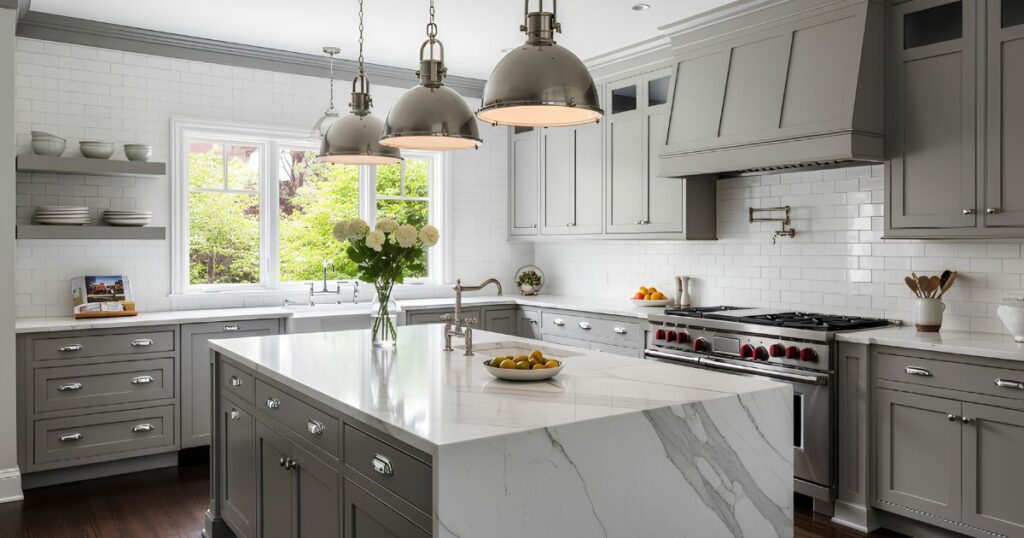
Transitional style sits between classic and contemporary and teal fits right in. The key is pairing teal shaker cabinets for modern kitchens with natural wood elements like open shelving or a butcher block section. That combination softens the contrast and creates a kitchen that feels both current and timeless. It’s a smart approach if you don’t want to commit fully to one extreme.
Rustic Kitchens
Rustic teal kitchen cabinets look best with matte or distressed cabinet finishes that show off natural texture and imperfection. Think chunky wood countertops, aged copper hardware, and rough stone backsplashes. The teal color actually grounds the rustic elements and gives the space a collected, lived-in feel rather than something that looks designed by committee.
Pairing Teal Cabinets with Countertops and Backsplashes
White Marble or Quartz
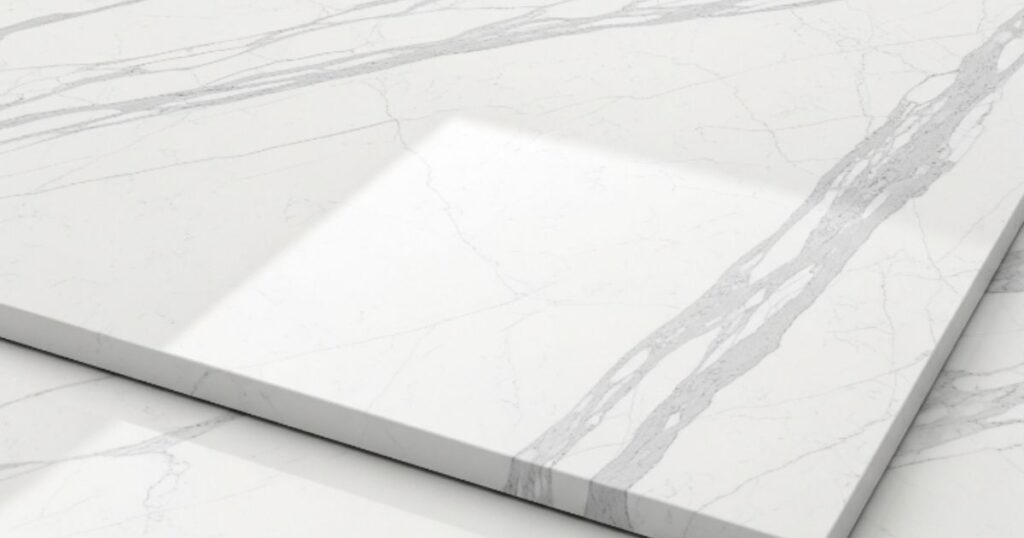
White marble or quartz countertops are the classic companion for teal cabinetry. The contrast is clean and luxurious. Subtle veining in the stone adds visual interest without competing with the cabinet color. This pairing works for both light teal kitchen cabinets with white countertops and darker, moody teal shades.
Butcher Block Wood
Warm wood tones balance teal’s natural coolness. Teal kitchen cabinets with butcher block countertops have a grounded, organic quality that feels welcoming rather than clinical. It’s a great choice for farmhouse or transitional kitchens where comfort is part of the brief.
Black Countertop
Black granite or polished quartz next to teal creates a high-contrast, bold look. It’s particularly effective with dark teal cabinets the two rich tones play off each other without either one overpowering the space. This is a strong choice for sleek, sophisticated modern kitchens.
Subway Tile Backsplash
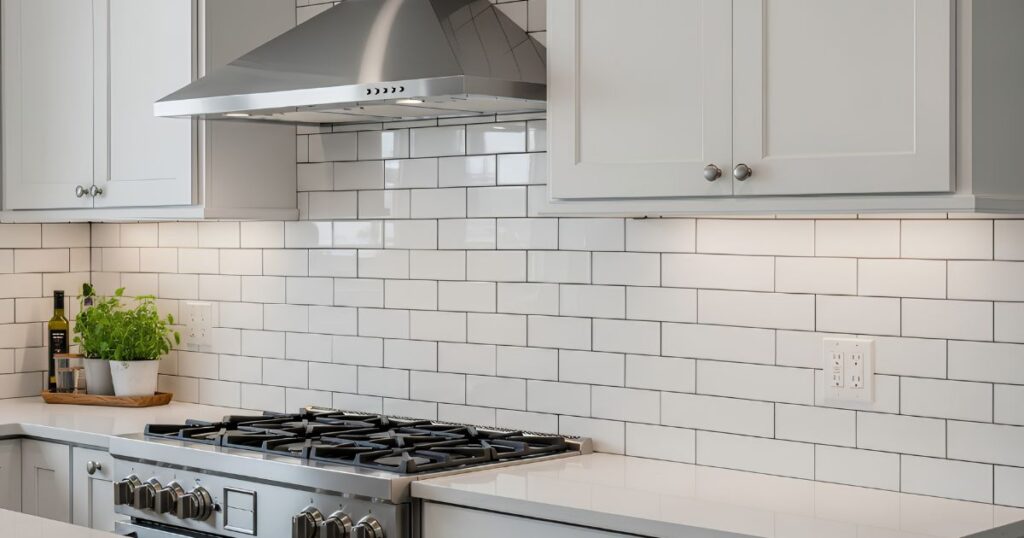
You can’t go wrong with classic white subway tile behind teal cabinets. It’s timeless, it’s clean and it lets the cabinet color remain the star of the show. The simple grid pattern adds just enough texture without any visual noise.
Mosaic Tiles
A mosaic backsplash in soft greens, blues, or warm neutrals can add real personality to a teal kitchen. Choose tiles with subtle color variation rather than bold contrast. Done well, it creates a layered, artisan quality that makes the whole kitchen feel custom.
Complementing Teal Cabinets with Hardware
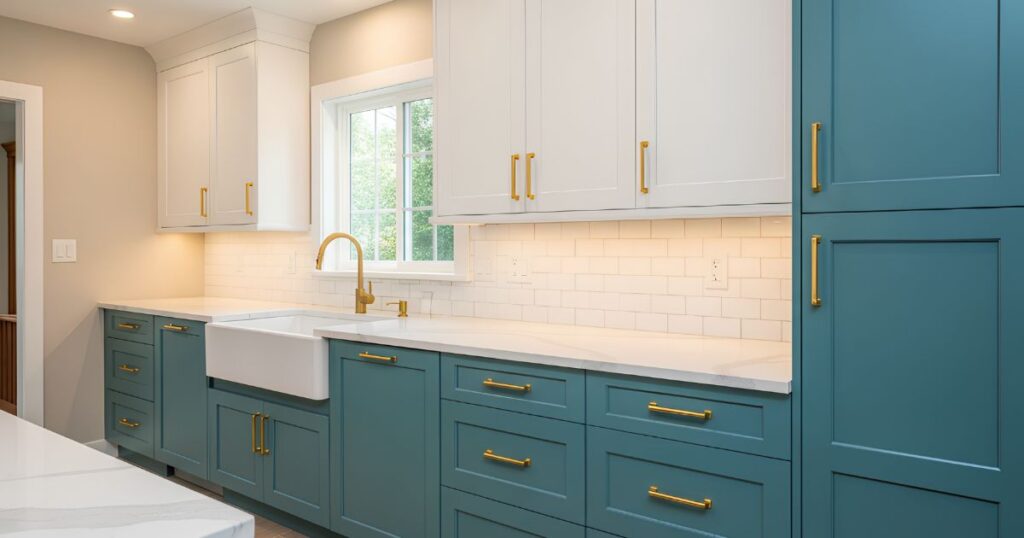
Hardware is the jewelry of your kitchen small but powerful. The right choice ties everything together. The wrong one can make even beautiful cabinets look off.
Here’s what actually works with teal:
- Brushed gold or brass the warmest, most popular choice for dark teal. It creates a rich, luxurious contrast that feels upscale without trying too hard.
- Matte black hardware bold and modern. Works with both light and dark teal and adds sharpness to the overall look.
- Polished nickel or chrome clean and reflective. Best suited to light teal kitchen cabinets where you want a fresh, timeless finish.
- Antique bronze or copper ideal for rustic teal kitchen cabinets. These finishes enhance the vintage, handcrafted character naturally.
- Glass or ceramic knobs a charming choice for cottage or farmhouse kitchens. They keep the focus on the teal without competing.
One practical tip: always hold hardware samples directly against your cabinet doors before ordering. Lighting changes everything. What looks warm in a showroom might read differently in your actual kitchen.
Decorating with Teal Kitchen Cabinets
Incorporate Natural Elements
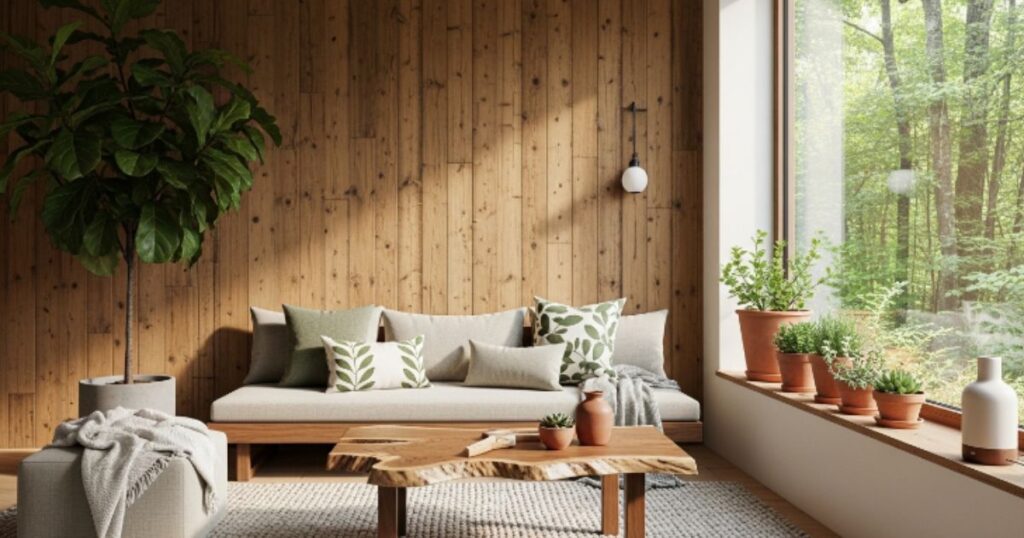
Plants, fresh herbs in small pots, a wooden fruit bowl these simple additions soften teal’s cool edge and make the kitchen feel genuinely lived-in. Natural elements create a sense of warmth that no paint color can do alone. A trailing pothos on an open shelf or a small cluster of herb pots on the windowsill goes a long way.
Use Neutral Anchors
Teal is a strong color. It needs grounding. Neutral rugs, cream-colored bar stools, or soft linen curtains provide visual balance without dulling the room’s energy. Beige and warm gray work especially well they sit comfortably alongside teal without pulling focus.
Add Metallic Accents
Let your cabinet hardware inspire the rest of the room’s metals. If you’ve chosen brushed brass pulls, echo that finish in your pendant lights or faucet. Metallic accents in a kitchen create cohesion everything feels considered rather than collected at random.
Layer Textures
Mix rattan, linen, glass, ceramic, and wood throughout the space. Texture is what stops a room from feeling flat. In a teal kitchen especially, layering materials adds depth and warmth that keeps the space feeling human and inviting rather than showroom-perfect.
Open Shelving
If you have open shelves alongside your teal cabinetry, stick to white or neutral dinnerware for a clean, gallery-like look. Or lean into the teal cabinet color combinations and display pieces with complementary blue-green tones. Either approach works the key is intentionality.
Seasonal Accents
One of teal’s quiet strengths is how well it transitions through the seasons. Warm oranges and terracotta in autumn, crisp whites and metallics in winter, soft greens and yellows in spring, and nautical blues in summer. You can redecorate your kitchen four times a year without touching a single cabinet.
Tips for Choosing the Right Shade of Teal
Picking the right shade of teal is probably the most important decision in this whole process. Get it right and the room feels effortless. Get it wrong and even beautiful cabinets can feel off.
Here’s what to keep in mind:
- Test in your actual lighting. Natural light, warm bulbs, and cool LEDs all change how teal reads. Get samples and live with them for a few days before committing.
- Match your style. Light teal suits casual, airy spaces. Dark teal belongs in formal or dramatic settings. Know what mood you’re going for first.
- Think long-term. Teal cabinet paint colors that lean toward classic blue-green will age better than versions chasing a specific trend. Choose something you’ll still love in ten years.
- Look at the whole picture. Hold teal samples against your flooring, countertops, and wall color all at once. The cabinet doesn’t exist in isolation it needs to work with everything around it.
- Don’t skip the sample stage. Seriously. Even experienced designers get surprised. Paint a large test swatch, step back, and look at it from across the room before you commit.
How to Maintain and Care for Teal Kitchen Cabinets
Beautiful teal cabinets need a little love to stay that way. The good news is that cabinet maintenance and care doesn’t have to be complicated.
Wipe down surfaces regularly with a soft cloth and mild soapy water. Grease builds up fast in a kitchen, especially around handles and near the stove. Catching it early is much easier than scrubbing it off later. Avoid abrasive sponges or harsh chemical cleaners they’ll dull the finish over time, especially on painted teal cabinetry.
For painted cabinets, keep a small amount of touch-up paint on hand. Chips and scratches happen, but catching them early prevents moisture from getting underneath the finish. Use cabinet liners on interior shelves to reduce wear, and keep areas near the sink as dry as possible. Moisture is the enemy of wood and MDF cabinets alike it causes warping, peeling, and swelling that’s much harder to reverse than prevent.
Conclusion
Teal kitchen cabinets offer something rare in home design a color that’s genuinely bold but still timeless. Whether you go soft and coastal or deep and dramatic, teal transforms a kitchen from functional to unforgettable. With the right shade, the right pairings, and a little care, your teal cabinets will be something you love for years to come.
If you’re ready to make the leap, start with samples, take your time with the planning, and don’t be afraid to commit fully to the color. Teal rewards confidence and so does a kitchen that actually reflects your personality.

