
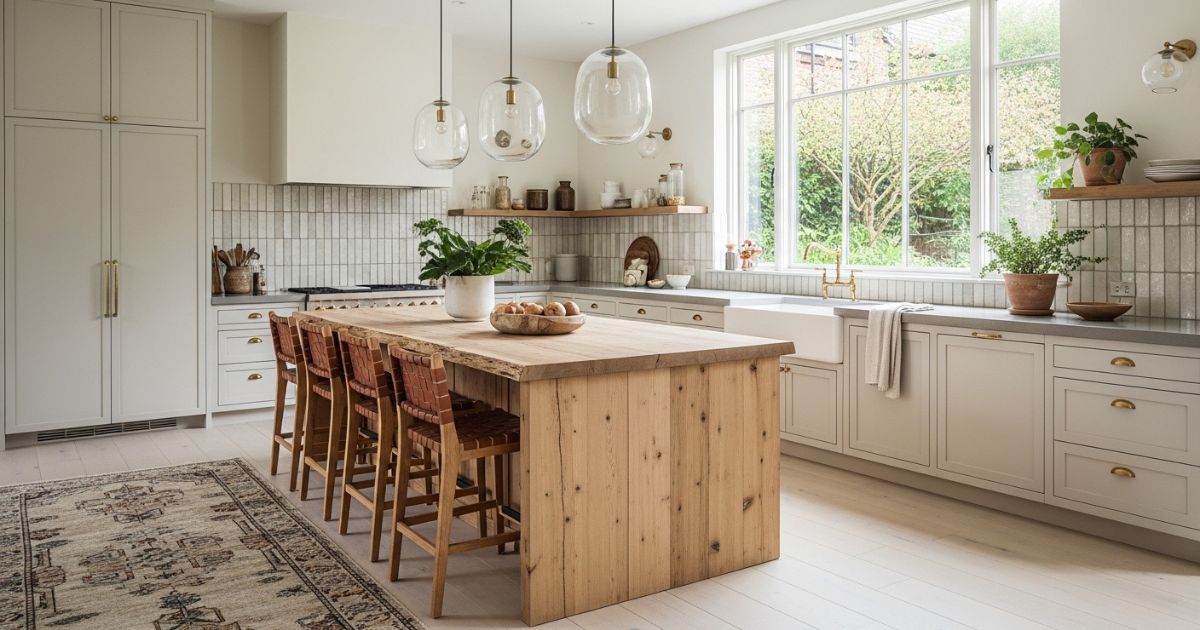

Walk into any newly renovated home today, and you’ll notice a shift. The cold, stark white kitchens that dominated the last decade are quietly stepping aside. In their place? Warm wood grains, honed stone surfaces, earthy neutrals, and spaces that genuinely feel alive. This is the organic modern kitchen and it’s not just a trend. It’s becoming the standard for how people want to cook, gather, and live.
In 2026, search interest in biophilic and organic kitchen design has surged dramatically, with designers across the board confirming this movement has moved well past a passing fad. If you’re planning a kitchen renovation or simply want to understand what’s reshaping interior design right now, this guide covers everything from core concepts and materials to expert tips and what’s driving the demand.
What is Organic Modern Kitchen Design?
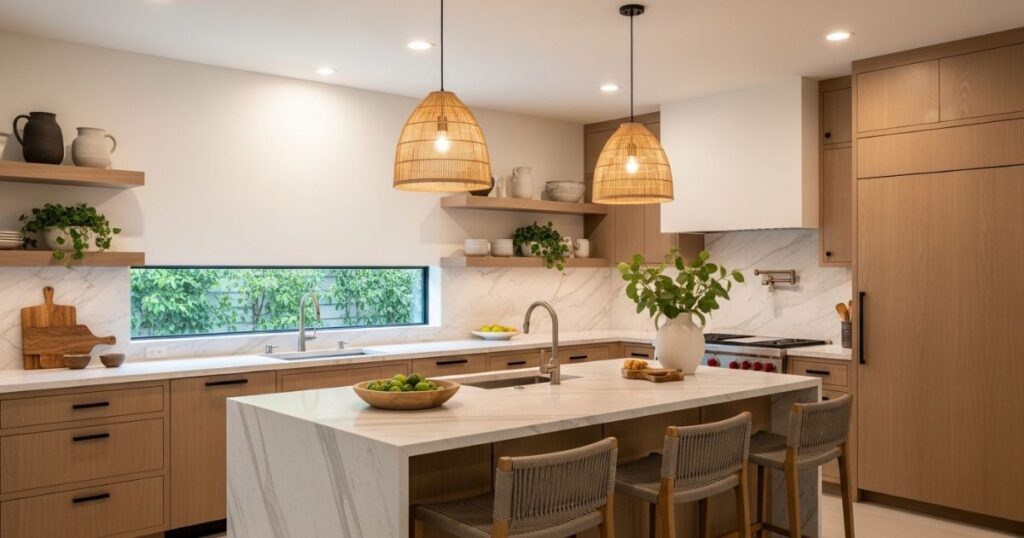
At its core, organic modern kitchen design is the marriage of two seemingly opposite aesthetics: the clean, minimal lines of modern design and the warmth, texture, and imperfection of natural materials.
It’s not farmhouse. It’s not rustic. It’s refined and intentional but it never feels cold.
Think flat-front cabinetry in warm walnut, a waterfall marble island, pendant lights with rattan shades, and a palette built from sand, clay, and warm white. Every element feels deliberately chosen yet effortlessly natural.
The result is a kitchen that’s functional and calming a space that supports daily life without overwhelming the senses. According to the NKBA 2024 Kitchen Trends Report, more than 70% of kitchen designers now favor nature-connected layouts, confirming that this philosophy has reshaped professional design at its foundation.
Key characteristics of the organic modern kitchen:
- Earthy, muted color palette (warm whites, taupes, sage, terracotta)
- Natural materials as the focal point wood, stone, clay
- Clean lines with soft edges and subtle curves
- Minimal clutter with smart, hidden storage
- Abundant natural light as a design material
- Touches of handcrafted texture in tiles, hardware, or linens
Related Post: Walnut Kitchen Cabinets: Pros, Cons, Design Inspirations & Cost Guide
Designing the Space: Layout and Flow
Before selecting materials or finishes, layout is everything. An organic modern kitchen lives and breathes through how space flows how light moves through it, and how seamlessly it connects to the rest of the home.
1. Open Floor Plans and Seamless Transitions
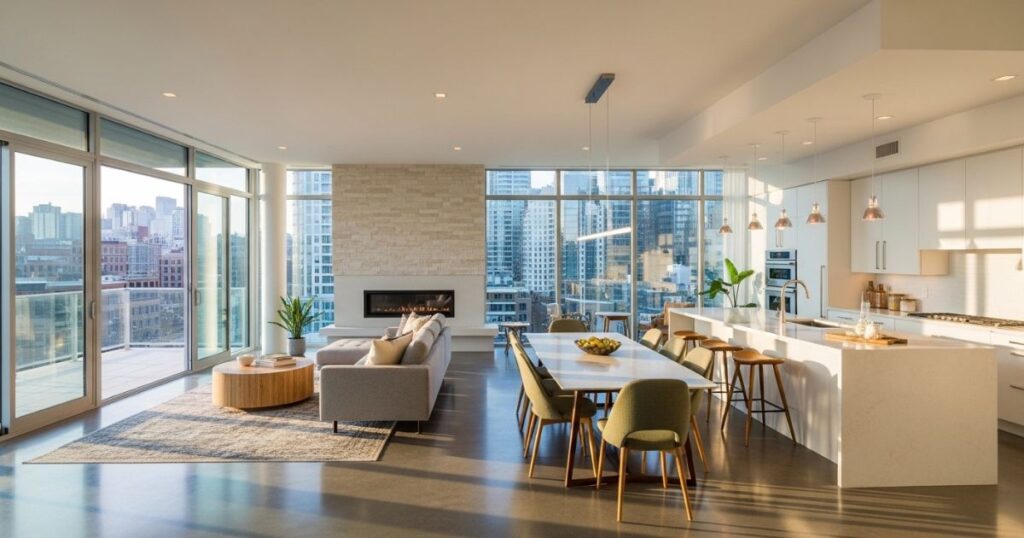
One of the defining features of the organic modern kitchen is its integration with living and dining areas. Closed-off kitchens feel at odds with this design philosophy. The goal is connection both to the people in the home and to the natural world outside.
Open floor plans allow the kitchen to function as a social hub. A curved or waterfall island acts more like a piece of furniture than a work surface, softening the space and inviting people to gather. Leading designer Ashley Montgomery has noted that curved islands “have a way of softening a kitchen which can otherwise be very straight and linear,” giving the island its own presence rather than making it feel purely utilitarian.
Transitional zones where the kitchen meets the living room or dining area should feel seamless. Consistent flooring materials (wide-plank wood or large-format stone tiles) and a unified color palette help achieve this flow without hard visual breaks.
2. Maximizing Natural Light with Windows and Skylights
In an organic modern kitchen, natural light isn’t just a nice bonus it’s a design material. It changes the mood of the space throughout the day, making earthy materials come alive in the morning and feel warm and intimate by evening.
Practical ways to maximize light include:
- Enlarged kitchen windows extend window heights toward the ceiling to flood work surfaces with daylight
- Skylights above islands or prep areas direct overhead light reduces shadows and creates a greenhouse-like calm
- Glass partitions or splashback windows allow light to pass between zones without sacrificing privacy
- Reflective stone surfaces polished marble or granite countertops bounce light further into the space
- Under-cabinet LED lighting supplements natural light and creates warmth in the evenings
The biophilic benefit of maximizing daylight is well documented. Research from the Human Spaces Report confirms that spaces designed with natural light produce measurably higher wellbeing scores a key reason homeowners are investing in structural changes to bring more of it in.
Top Materials That Make an Organic Modern Kitchen Stand Out
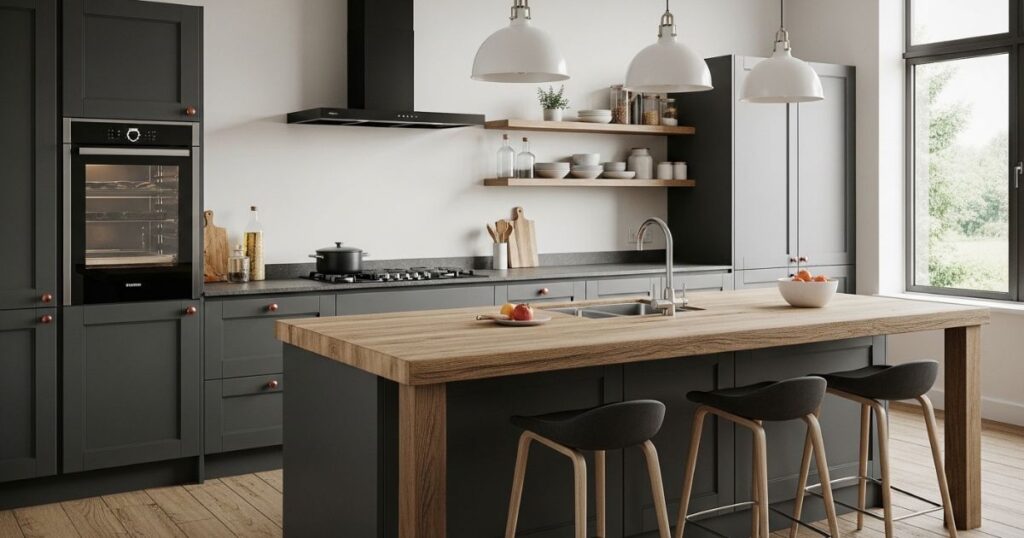
Material selection is where the organic modern kitchen truly comes to life. The right combination of textures and finishes creates depth, visual interest, and that signature warm-yet-refined feeling.
| Material | Best Application | Key Benefit |
| White Oak | Cabinetry, open shelving | Warm grain, extremely durable |
| Walnut | Island base, accent panels | Rich tone, timeless character |
| Marble | Countertops, backsplash | Elegant veining, soft aesthetic |
| Soapstone | Countertops, sinks | Matte finish, unique depth |
| Rattan | Pendant lights, bar stools | Natural texture, earthy warmth |
| Matte Black | Faucets, hardware | Modern contrast, striking detail |
| Aged Brass | Cabinet pulls, tap fixtures | Warmth, artisanal quality |
1. Wood: Oak, Walnut, Bamboo
Wood is the soul of this design style. It brings warmth, grain variation, and a sense of organic life that no painted surface can replicate. White oak has become the go-to choice for cabinetry its subtle grain and neutral tone work beautifully in both light and dark palettes, and it’s one of the most durable hardwoods available. Walnut adds richness and depth, particularly effective as an island base or accent panel against lighter upper cabinets.
For eco-conscious homeowners, bamboo is a compelling alternative. It grows rapidly, is highly sustainable, and delivers a clean, contemporary look that pairs well with stone and metal accents. When choosing wood finishes, the guiding principle is restraint let the natural beauty of the grain do the work with minimal staining.
2. Stone: Marble, Granite, Soapstone
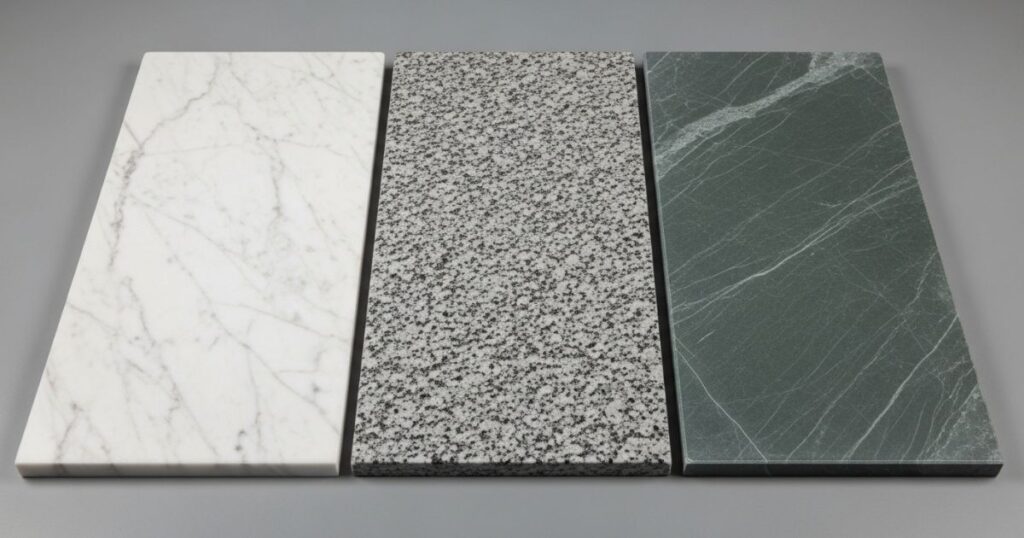
Stone grounds the organic modern kitchen. It adds visual weight, texture, and a connection to the natural world that feels both ancient and fresh.
Marble remains the aspirational choice its soft veining creates movement and elegance, especially on waterfall islands or full-height backsplashes. Granite is the practical workhorse incredibly durable, resistant to heat and scratching, and available in a wide range of natural tones. Soapstone is the emerging favorite among designers for its deep charcoal tones and distinctive matte finish that pairs beautifully with warm wood cabinetry.
Honed or leathered finishes rather than high-gloss polished surfaces better suit the organic modern aesthetic by softening the look and reducing visible fingerprints.
3. Natural Fibers: Jute, Rattan, Linen
Natural fibers introduce texture and reinforce the biophilic connection without requiring structural changes. They appear in pendant lighting, window treatments, bar stools, rugs, and even dish towels small details that collectively define the atmosphere of the space.
Rattan pendants above a kitchen island are arguably the single most impactful low-cost addition to an organic modern kitchen. Jute rugs under an island or dining table add warmth underfoot while grounding the color palette. Linen curtains at kitchen windows filter light softly, diffusing harsh direct sunlight into something far more atmospheric.
4. Metals: Matte Black, Aged Brass
Metal finishes are the punctuation marks of the organic modern kitchen they define lines, add contrast, and signal intentionality. Two finishes dominate the category: matte black and aged brass.
Matte black works as a modern counterweight to warm organic materials it’s sharp and architectural without being cold. Aged brass brings artisanal warmth and pairs naturally with walnut cabinetry or stone countertops. The key is consistency: choose one or two metal finishes and apply them across faucets, cabinet hardware, and light fixtures for a cohesive result.
Top Designer Tips to Achieve an Organic Kitchen
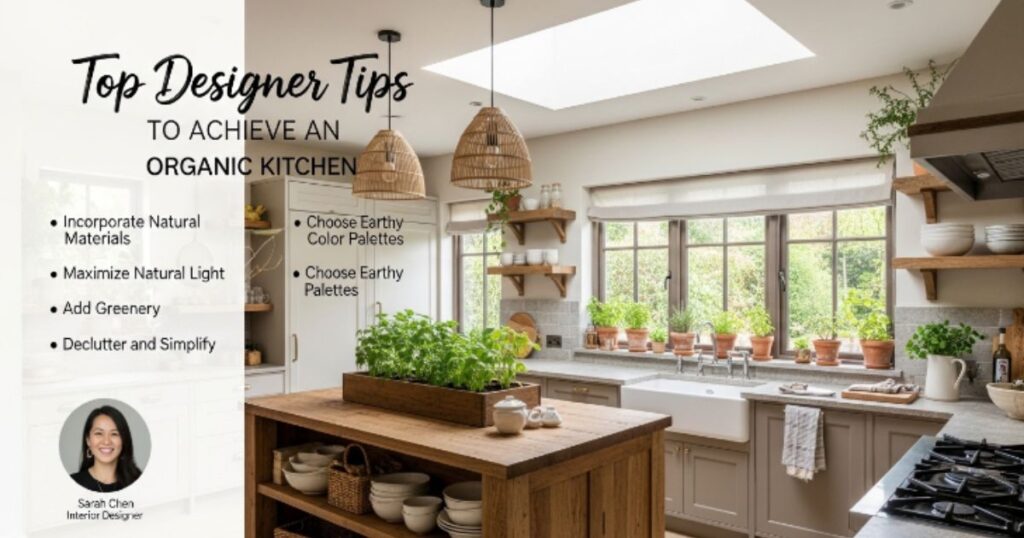
1. Mix Modern Fixtures with Natural Textures
Avoid the trap of going all-in on one direction. The magic of this style lives in the contrast between sleek modern elements and raw natural textures. Pair flat-front, handleless cabinets with a live-edge wood shelf. Combine a minimalist induction cooktop with a rough-textured stone backsplash. Let the materials have a conversation.
2. Choose Sustainable and Eco-Friendly Materials
Sustainability is no longer optional it’s central to the organic modern ethos. Look for FSC-certified timber for cabinetry, reclaimed wood for shelving or accent walls, low-VOC paints and finishes, and Energy Star-rated appliances. These choices reduce environmental impact and often introduce more character and authenticity into the space than their mass-produced alternatives.
3. Keep Countertops Clutter-Free with Smart Storage
An organic modern kitchen depends on visual calm. Cluttered countertops immediately undermine the aesthetic. The solution is thoughtful, integrated storage: deep drawers instead of base cabinet shelves, pull-out pantry systems, hidden appliance garages, and built-in refrigerators with panel fronts that disappear into the cabinetry. When the surfaces are clear, the materials take center stage.
4. Use Handcrafted Tiles or Textured Splash Guards
The backsplash is one of the most impactful surfaces in the kitchen, and organic modern design uses it to introduce texture and handcrafted character. Zellige tiles a Moroccan-style handmade ceramic with subtle surface variation are particularly popular for their organic imperfection. Textured subway tiles in warm off-white, ribbed ceramic tiles, or natural stone mosaics all work beautifully. Avoid large-format glossy tiles, which push the aesthetic back toward cold minimalism.
5. Using Subtle Hardware or Handleless Designs
Hardware choices quietly define the overall feel of a kitchen. In the organic modern style, less is more. Handleless or push-to-open cabinet designs create a sleek, uninterrupted surface that lets materials shine. When hardware is used, choose simple bar pulls or cup handles in aged brass or matte black subtle forms that complement without competing. Avoid ornate or decorative hardware, which pulls attention away from the natural beauty of the materials.
Why Organic Modern Kitchen Design Will Be Popular in 2026
1. A Shift Toward Wellness and Calm in Home Design
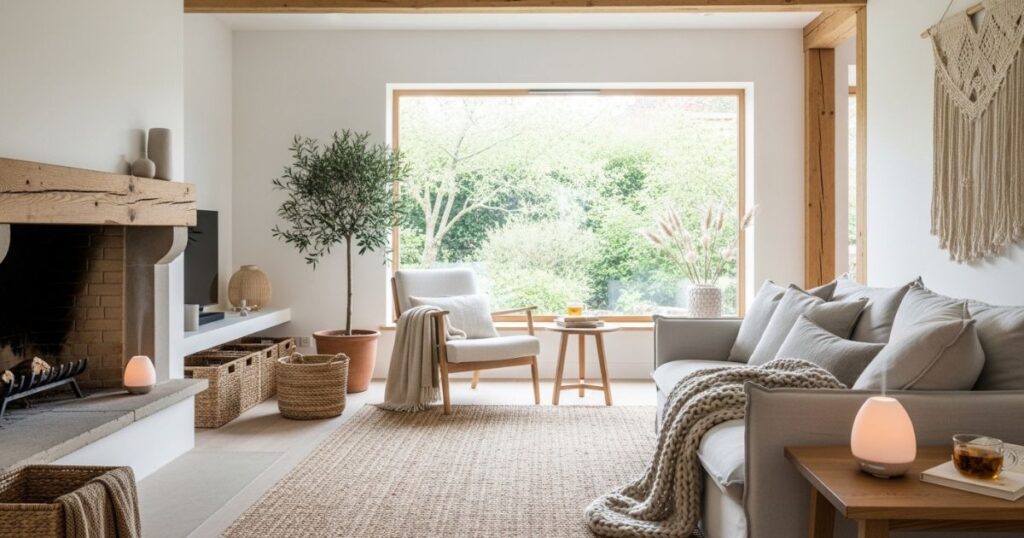
The home has become the primary retreat from an increasingly overstimulating world. People are seeking spaces that reduce stress, promote calm, and support mental and physical wellbeing and the organic modern kitchen delivers precisely that. Soft earthy tones, natural textures, and uncluttered surfaces create an environment that feels restorative rather than demanding.
This shift is not aesthetic preference alone it’s behavioral. Homeowners are spending more time in their kitchens, cooking more intentionally, and hosting more intimately. They want those spaces to feel as good as they look.
2. The Rise of Biophilic and Nature-Inspired Interiors
Biophilic design the principle of incorporating the natural world into interior spaces has moved from niche theory into mainstream application. Search interest for biophilic kitchen design ideas grew by 200% in 2024, and that momentum has only continued into 2026. The organic modern kitchen is, in many ways, the residential expression of biophilic design: natural materials, abundant light, earthy tones, and a layout that blurs the boundary between indoors and out.
Research consistently shows that environments designed with natural elements improve mood, reduce anxiety, and increase satisfaction with a space. For a room used as intensively as the kitchen, these outcomes matter enormously.
3. Increased Demand for Sustainable Kitchen Solutions
Sustainability has crossed over from lifestyle choice to mainstream expectation. According to recent industry data, 35% of kitchen renovation projects now center on eco-friendly materials a remarkable market shift that reflects changing consumer values. The organic modern kitchen aligns naturally with sustainable design principles: long-lasting natural materials, low-impact finishes, energy-efficient appliances, and a timeless aesthetic that resists the cycle of trend-driven replacement.
Homeowners are increasingly aware that fast-trend kitchens are expensive both financially and environmentally. The organic modern approach built on durable natural materials with enduring appeal offers an alternative that feels responsible as well as beautiful.
Conclusion
The organic modern kitchen is not a moment it’s a movement. It reflects a profound shift in how people think about their homes: less as status symbols and more as sanctuaries. By balancing the clean discipline of modern design with the warmth, texture, and authenticity of natural materials, this style creates kitchens that are genuinely beautiful to live in not just to photograph.
Whether you’re planning a full renovation or simply refreshing your existing space, the organic modern approach gives you a clear direction: choose natural materials, let light in, reduce visual noise, and let the quality of what you select speak for itself. In a world that keeps accelerating, a kitchen that feels calm, grounded, and connected to nature might be the most valuable design investment you can make.

