
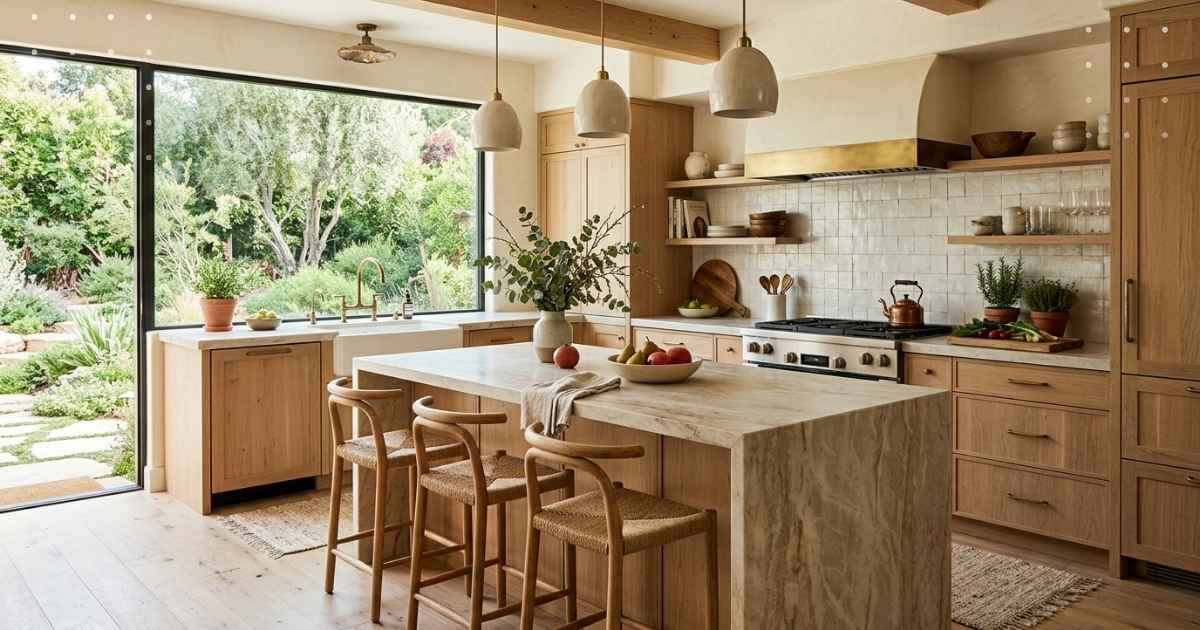

Are you tired of kitchens that look sharp but feel cold? In 2026, homeowners are done with sterile spaces. They want warmth. They want texture. They want a kitchen that actually feels good to walk into. That is exactly why Organic Modern Kitchen Designs are taking over everywhere right now.
This style brings together the best of two worlds. You get the clean lines of modern design. You also get the warmth of natural wood, stone, and earthy tones. The result is a kitchen that feels calm, grounded, and genuinely inviting. It is simple without being boring. It is natural without being rustic. If you are planning a kitchen refresh or a full renovation, Organic Modern Kitchen Designs might be exactly what you have been looking for.
What Is Organic Modern Kitchen Design?
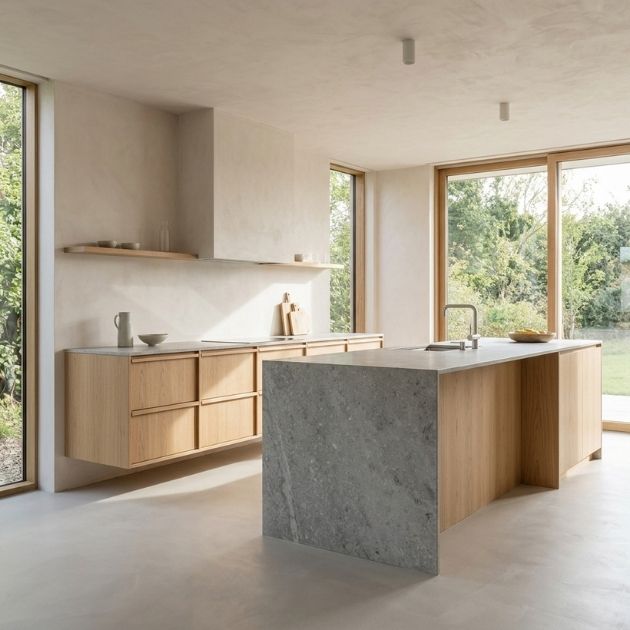
At its heart, organic modern kitchen design is the art of balancing clean, contemporary lines with the warmth and texture of natural materials. Think minimalist layouts that never feel sterile. Think stone countertops with soft veining, cabinetry in white oak or walnut, and soft earthy tones that change subtly with the light.
Unlike farmhouse or rustic styles, which embrace a weathered, aged aesthetic, organic modern design is refined and intentional. It’s not maximalist, and it’s not stark. It sits in the middle a quiet, grounded elegance that designers often describe as quiet luxury.
Related POST: Make Your Home Stylish with Expert Ideas from DecoratorAdvice
Key characteristics include:
- Earthy, neutral color palette (warm beige, sage green, clay, taupe, off-white)
- Natural materials: wood, stone, rattan, linen
- Minimalist cabinetry with flat-front or slab-style doors
- Matte hardware finishes in black or aged brass
- Layered textures that engage the senses without creating visual noise
- Abundant natural light and connection to outdoor views
This design style is rooted in biophilic design the idea that humans feel healthier and more relaxed when surrounded by elements that echo the natural world. In a kitchen context, that means fewer synthetic finishes and more authentic, tactile surfaces.
Designing the Space: Layout and Flow
Before choosing materials or finishes, it’s worth thinking about layout. The organic modern style depends heavily on how a space is arranged not just what it’s filled with.
1. Open Floor Plans and Seamless Transitions
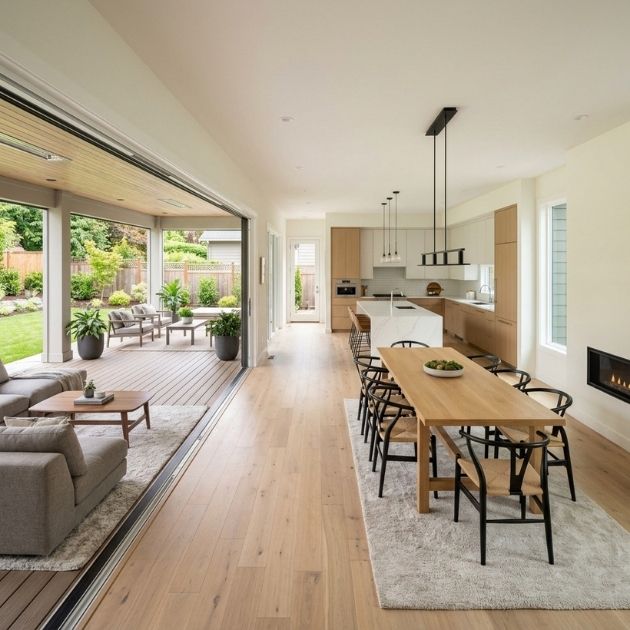
Organic modern kitchens thrive in open, connected layouts. When a kitchen flows naturally into the dining and living areas, it creates a sense of continuity that supports both aesthetics and everyday life. Rigid walls and closed-off rooms conflict with the relaxed, breathable quality this style is built on.
Designers typically use flooring transitions, ceiling treatments, or subtle furniture arrangements to define zones without using physical barriers. The result is a space that feels expansive, social, and grounded all at once.
If a full renovation isn’t in the cards, consider removing a partial wall, widening a doorway, or using a kitchen island to create a soft visual boundary that still keeps things open.
2. Maximizing Natural Light with Windows and Skylights
Natural light is non-negotiable in an organic modern kitchen. It brings out the grain in wood cabinetry, highlights the veining in stone countertops, and fills the space with the kind of warmth that no artificial fixture can fully replicate.
Wide windows, glass sliding doors, and skylights are all common features. Where structural changes aren’t possible, swapping out heavy drapes for gauzy linen panels or removing window treatments entirely can make a meaningful difference. Reflective surfaces like honed marble or polished soapstone also help distribute light throughout the room.
Top Materials That Make an Organic Modern Kitchen Stand Out
Material selection is where organic modern design really comes to life. The goal is authenticity: real wood, real stone, real fibers surfaces that carry natural imperfection and age beautifully over time.
| Material Category | Best Options | Why It Works |
| Wood | White oak, walnut, bamboo | Warmth, grain texture, sustainability |
| Stone | Marble, granite, soapstone | Durability, earthy veining, matte finishes |
| Natural Fibers | Jute, rattan, linen | Softness, tactile texture, biophilic connection |
| Metals | Matte black, aged brass | Modern contrast, graceful aging |
1. Wood: Oak, Walnut, Bamboo
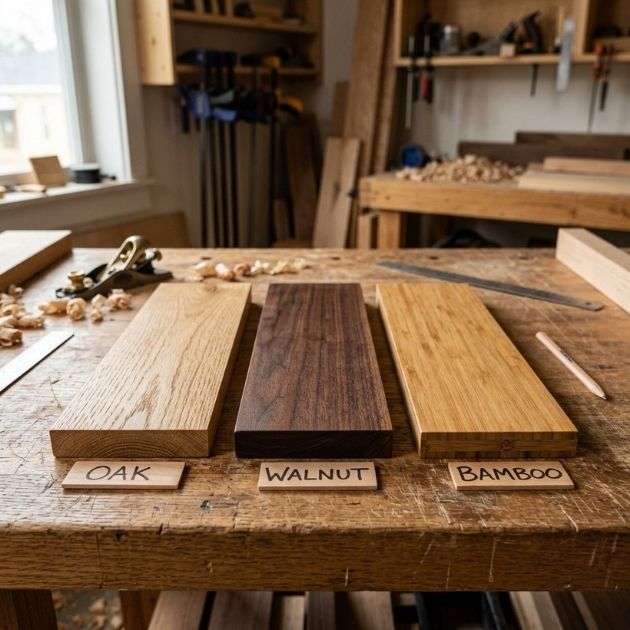
Wood is the soul of this design style. White oak is especially popular right now because of its subtle, linear grain and warm honey tone it works beautifully in both light and dark kitchen palettes. Walnut brings a deeper, richer look with its chocolate-brown tones and smooth finish.
Bamboo is a smart choice for eco-conscious homeowners. It grows quickly, it’s harder than most hardwoods, and its light, clean appearance pairs well with neutral color schemes. Regardless of species, let the wood breathe minimal staining and light finishing preserve the material’s natural beauty and ensure it ages gracefully.
2. Stone: Marble, Granite, Soapstone
Stone adds grounding energy and visual weight to a kitchen. Marble remains a top choice for its elegant veining and classic appeal honed finishes (rather than polished) better align with the matte, understated look of organic modern design. Granite is the practical workhorse: incredibly durable, heat-resistant, and available in a wide range of natural tones.
Soapstone is gaining significant momentum in 2026. Its deep, matte surface and dark charcoal tones create stunning contrast against pale wood cabinetry. It also darkens beautifully with mineral oil over time a natural aging process that fits perfectly with this style’s philosophy.
3. Natural Fibers: Jute, Rattan, Linen
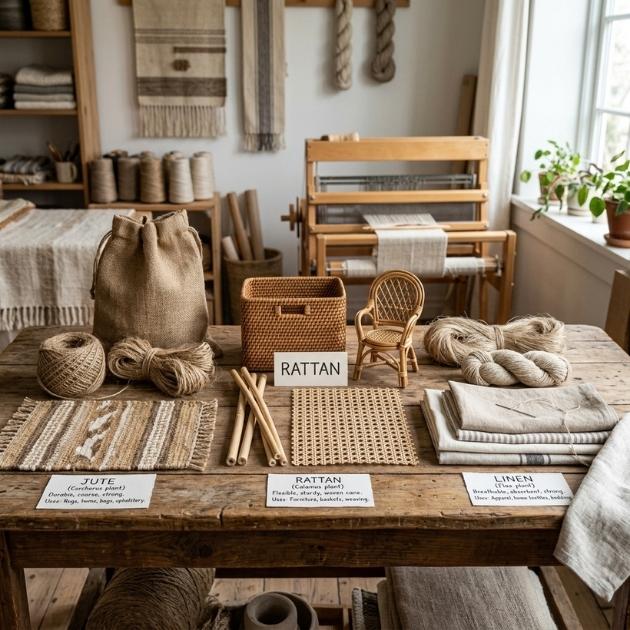
These materials bring texture and softness into a kitchen that might otherwise feel too hard or cold. A rattan pendant light over an island adds visual warmth without competing with natural stone or wood surfaces. A jute runner under the kitchen table anchors the space while reinforcing the outdoor-inspired palette.
Linen appears in curtains, tea towels, and even upholstered bar stools. It’s breathable, natural, and softens the room in a way that heavier fabrics simply can’t.
4. Metals: Matte Black, Aged Brass
Hardware and fixtures are where modern meets organic. Matte black offers a strong, graphic contrast against pale oak cabinetry or white marble it adds definition without being flashy. Aged brass brings warmth and a subtle vintage quality that pairs especially well with soapstone or walnut.
Both finishes share an important quality: they age well. Unlike chrome or bright nickel, matte black and aged brass develop character over time rather than showing wear.
Top Designer Tips to Achieve an Organic Modern Kitchen
Research and real-world designer experience both point to the same conclusion: organic modern kitchens look effortless but require thoughtful decisions at every level.
1. Mix Modern Fixtures with Natural Textures
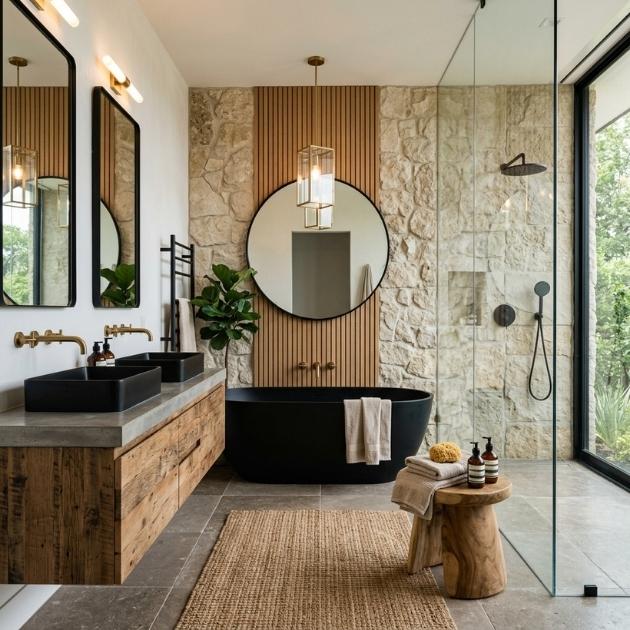
The contrast between sleek modern forms and raw natural materials is what gives this style its energy. A sculptural pendant in brushed brass over a rough-textured stone island. A matte black faucet against a warm wood sink surround. These combinations create visual tension that keeps the space interesting without feeling chaotic.
For lighting, choose pendants with clean geometric lines rather than ornate or vintage-inspired designs. The fixtures should feel contemporary the materials beneath them provide all the warmth needed.
2. Choose Sustainable and Eco-Friendly Materials
Sustainability isn’t a side feature of this design style it’s woven into its core. Look for FSC-certified wood cabinetry, reclaimed timber accents, low-VOC paints, and energy-efficient appliances. These choices reduce environmental impact and often bring more character into the space than their synthetic equivalents.
Engineered stone countertops that incorporate natural minerals are another solid option for homeowners who want the look of stone without the full cost or maintenance commitment of natural slabs.
3. Keep Countertops Clutter-Free with Smart Storage
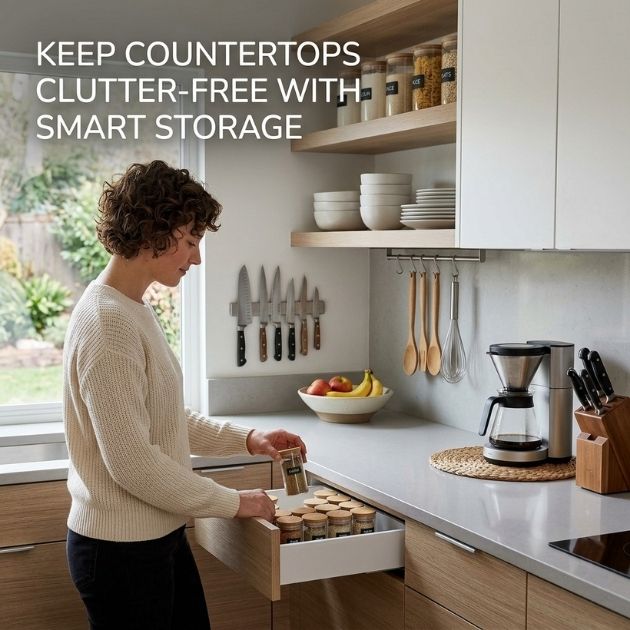
One of the defining features of an organic modern kitchen is what isn’t visible. Clean, open countertops allow the materials the wood grain, the stone veining, the handmade tiles to take center stage. This means investing in smart storage solutions that keep daily-use items accessible but hidden.
Practical storage ideas:
- Pull-out pantry drawers behind flush cabinet doors
- Appliance garages for coffee makers, toasters, and stand mixers
- Deep drawer organizers for pots, pans, and utensils
- Integrated bin systems for waste and recycling
The goal is to keep countertops clear except for one or two intentional display items a wooden cutting board, a ceramic vase, a small herb planter.
4. Use Handcrafted Tiles or Textured Splash Guards
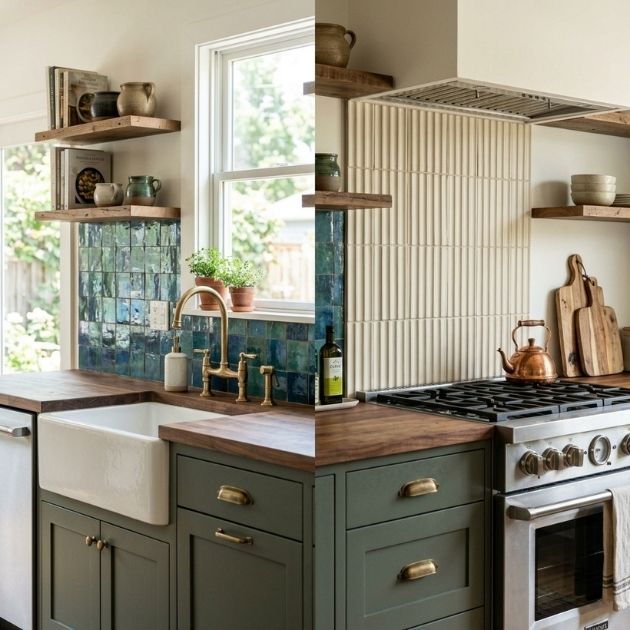
The backsplash is one of the best opportunities to introduce artisanal texture without overwhelming the room. Handmade zellige tiles the irregular, hand-formed Moroccan tiles that have surged in popularity bring an organic, imperfect beauty that perfectly complements natural stone and wood surfaces.
Alternatively, natural stone tiles with visible veining, handmade ceramic tiles, or textured plaster finishes all work well. The key is to choose a backsplash that adds dimension and character rather than competing with the rest of the room’s materials.
5. Using Subtle Hardware or Handleless Designs
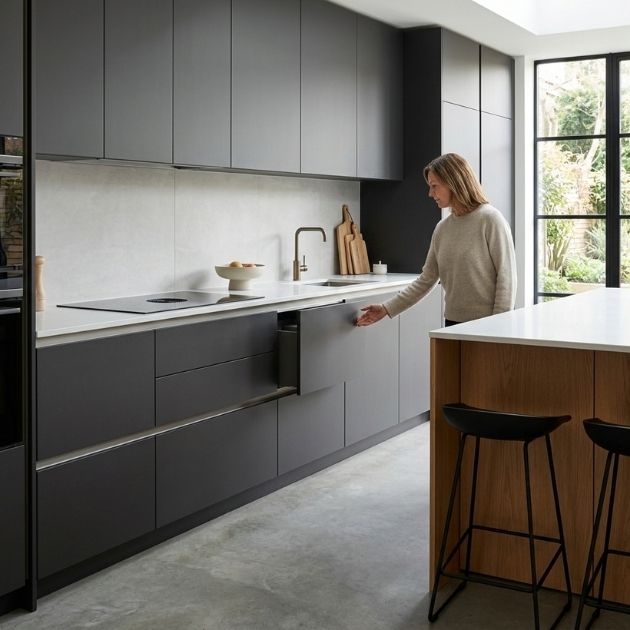
For a truly seamless look, handleless cabinetry with push-to-open mechanisms eliminates visual clutter and allows the material of the cabinet door whether it’s wood grain or a textured lacquer to be the focal point.
If you prefer hardware, keep it understated. Slim bar pulls, edge pulls, or minimalist knobs in matte finishes are all appropriate. Avoid anything too decorative or ornate hardware should support the design, not compete with it.
Why Organic Modern Kitchen Design Will Be Popular in 2026
This isn’t a short-lived aesthetic moment. Multiple cultural and lifestyle trends are converging to make organic modern kitchens the dominant design direction of this decade.
1. A Shift Toward Wellness and Calm in Home Design
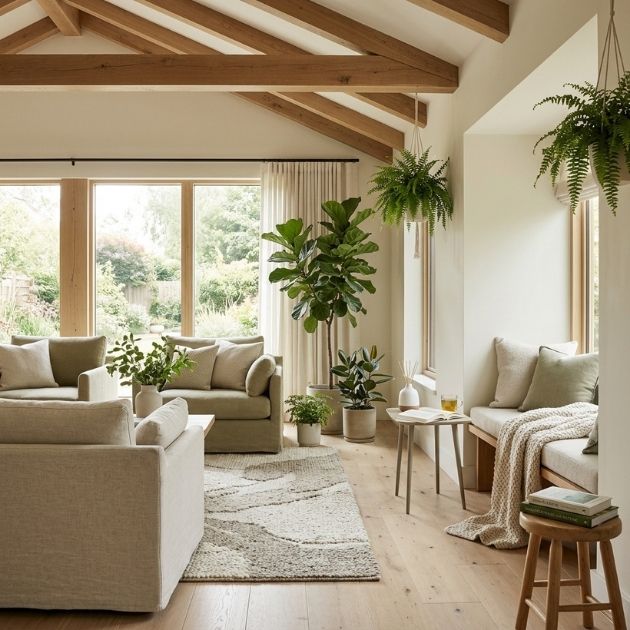
The pandemic fundamentally changed how people think about their homes. Spaces that support mental well-being, encourage slower living, and offer relief from digital overstimulation are no longer a luxury they’re a priority. The organic modern kitchen addresses this directly. Natural materials, soft lighting, and uncluttered surfaces create an environment where cooking feels meditative rather than chaotic.
2. The Rise of Biophilic and Nature-Inspired Interiors
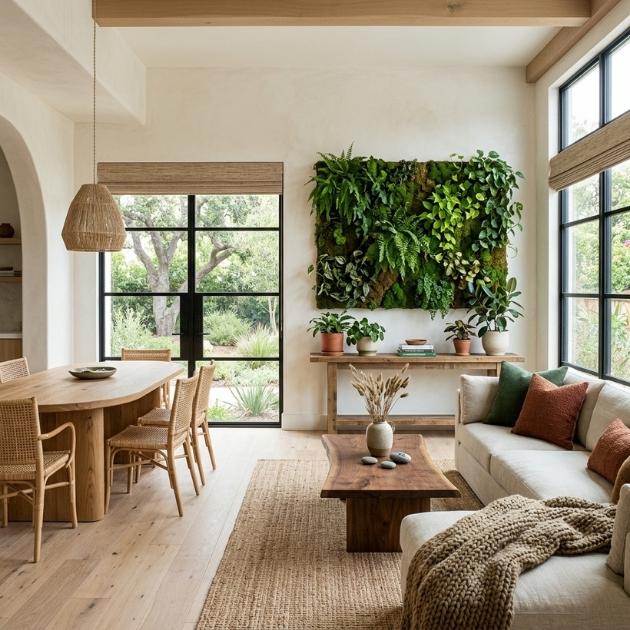
Biophilic design the practice of incorporating nature into built environments has moved from niche design philosophy to mainstream expectation. Studies consistently show that exposure to natural materials, daylight, and views of greenery reduces stress and improves cognitive function. Kitchens designed around these principles don’t just look beautiful; they actively support the people who use them.
3. Increased Demand for Sustainable Kitchen Solutions
Homeowners are increasingly aware of the long-term environmental and financial cost of design choices. Natural materials like oak, marble, and soapstone last decades with proper care far outlasting synthetic alternatives that chip, fade, or go out of style. As sustainability becomes a core consideration in renovation decisions, organic modern design offers a style that is both environmentally responsible and genuinely timeless.
Conclusion
The organic modern kitchen is more than a design trend it’s a reflection of how people want to live in 2026. It answers real needs: the desire for calm, the commitment to sustainability, and the craving for spaces that feel authentic rather than manufactured.
By combining the clean efficiency of modern design with the warmth and texture of natural materials, this style achieves something that’s surprisingly rare in interior design: it’s both visually striking and emotionally comfortable. It looks good in photographs and feels even better in person.
Whether you’re planning a full kitchen renovation or simply refreshing the space with new hardware and materials, the principles of organic modern design offer a clear and rewarding direction. Start with one material, one texture, one intentional choice and let the rest follow naturally.

