
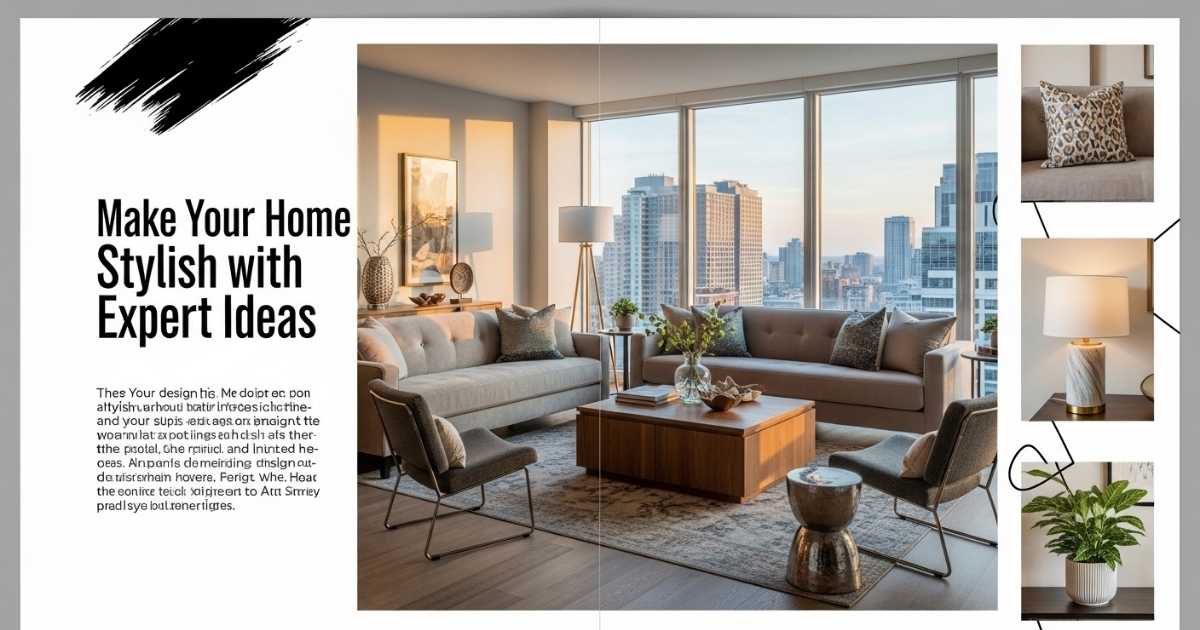

Your home says a lot about you. It reflects your personality, your taste, and the way you live. But making it look truly stylish? That part can feel overwhelming. The good news is it doesn’t have to be. With the right guidance, any space can become something you’re proud of. That’s exactly what Make Your Home Stylish with Expert Ideas is all about.
You don’t need a big budget or a design degree. You just need smart, practical advice you can actually use. At DecoratorAdvice.com, the focus is on real tips that work in real homes. From choosing colors that complement each other to arranging furniture the right way, every idea here is simple to follow. Read on, and start building a home that looks and feels exactly the way you want it to.
Build a Vision Before You Start
Before you buy a single throw pillow or pick up a paintbrush, take time to define what you want your home to feel like. Professional designers consistently agree: spaces that feel effortless and elevated always start with a clear concept.
Ask yourself a few simple questions:
- Do you want your home to feel warm and cozy, or clean and modern?
- Are you drawn to bold colors or neutral palettes?
- What words describe your ideal space inviting, serene, dramatic, playful?
A great trick is to look at your wardrobe. The colors and silhouettes you wear often reflect the aesthetic you’re naturally drawn to. Gather inspiration from Pinterest, design magazines, or even hotel lobbies you’ve admired. Look for recurring patterns the same textures, tones, or moods appearing across your saved images. That pattern is your design direction.
Related post: Decoradhouse Garden Tips by DecoratorAdvice: A Complete Guide to Creating a Stylish and Peaceful Garden
Pro Tip: Create a Mood Board
Pin fabric swatches, paint chips, and furniture images together. A mood board keeps your vision cohesive and prevents impulse purchases that don’t fit your overall plan.
Choose Colors That Work Together
Color is one of the most powerful tools in interior design. It shapes mood, makes rooms feel larger or more intimate, and ties every element of a space together. Getting your color scheme right from the start saves time, money, and a lot of repainting.
| Room Type | Best Color Approach | Recommended Tones |
| Living Room | Grounding neutrals with warm accents | Warm beige, terracotta, sage green |
| Bedroom | Soft, calming hues | Dusty blue, lavender, pale grey |
| Kitchen | Energizing and clean | Crisp white, warm yellow, light green |
| Home Office | Focused and motivating | Forest green, navy, earthy brown |
Key color rules to follow:
- Limit your palette to three or four colors per room. Any more and the space starts to feel chaotic.
- Consider your natural light. North-facing rooms need warmer tones to avoid feeling cold, while sun-drenched spaces can handle cooler shades.
- Use the 60-30-10 rule: 60% dominant color (walls/large furniture), 30% secondary color (upholstery/rugs), 10% accent color (cushions/accessories).
Don’t underestimate the power of a single cohesive palette. It photographs beautifully, adds polish, and makes your home feel intentionally designed rather than randomly assembled.
Furniture arrangement is where most homeowners make their biggest mistakes. Pushing all furniture against the walls is one of the most common, and it actually makes a room feel more clinical and less connected.
Good furniture placement does two things at once: it defines the function of a space and guides the eye naturally through the room.
Follow these arrangement principles:
- Float furniture away from walls to create conversation zones that feel intimate and purposeful.
- Leave at least 18 inches between a sofa and coffee table for comfortable movement.
- Ensure clear pathways (at least 36 inches wide) for easy flow through the room.
- In a living room, angle seating toward a focal point a fireplace, a large window, or a statement wall.
- Scale matters. Large rooms need proportionally larger furniture, and small rooms need pieces that don’t overwhelm the floor plan.
Before rearranging, sketch your room dimensions on paper and experiment with layouts. This simple step saves hours of heavy lifting.
Use Lighting to Improve Every Room
Lighting is the single most underrated element in home decoration. Even the most beautifully furnished room falls flat with harsh overhead lighting. Layered lighting combining ambient, task, and accent sources transforms a room the way nothing else can.
The Three Layers of Lighting
1. Ambient Lighting The base layer. Think ceiling fixtures, recessed downlights, or chandeliers that fill the entire room with general illumination.
2. Task Lighting Functional light for specific activities. Desk lamps, under-cabinet kitchen lights, and bedside reading lamps fall into this category.
3. Accent Lighting Decorative and directional. Use spotlights, wall sconces, or LED strips to highlight artwork, architectural details, or focal points.
The magic happens when all three layers work together. Install dimmers wherever possible they allow you to shift a room from bright and practical during the day to warm and intimate at night with a simple adjustment.
A statement pendant light over a dining table or a sculptural floor lamp in a reading corner does double duty: it provides light and serves as a design element in itself.
Add Personal Touches That Matter
A stylish home is one that tells your story. Professionally designed spaces that feel impersonal and cold are just as unsuccessful as cluttered rooms with no visual order. The goal is a balance between curated and personal.
Ways to add meaningful personal touches:
- Display objects collected from travels ceramics, textiles, or small sculptures carry genuine history and character.
- Frame meaningful photographs, but do it well. A gallery wall with consistent frame colors or sizes looks intentional rather than haphazard.
- Include books you’ve actually read. A shelf of real books says far more about you than decorative props.
- Bring in plants and greenery. Seasonal flowers, potted herbs, or a sculptural fiddle leaf fig tree all add life, movement, and connection to the natural world.
- Use handmade or artisan pieces. One handcrafted ceramic vase will outshine ten identical mass-produced ones.
The key is thoughtful curation. Display things that genuinely matter to you, and edit out anything that doesn’t earn its place.
Mix Materials for a Better Look
Rooms that use only one material all metal, all wood, all glass tend to feel flat and one-dimensional. Mixing materials creates visual depth, tactile richness, and the kind of layered complexity that makes a space feel truly designed.
Effective material combinations include:
- Wood + Metal: Warm wood tones balanced by sleek metal finishes (brass, matte black, or brushed nickel) create contrast without conflict.
- Velvet + Linen: Combining plush, tactile fabrics with lighter, breathable ones adds sensory interest to seating and bedding.
- Stone + Soft Textiles: A marble coffee table or stone accent wall paired with soft cushions and rugs creates striking balance.
- Rattan + Glass: Natural, organic textures alongside reflective surfaces keep a room grounded yet light.
The unifying rule: pick one consistent thread whether it’s a shared color family, finish (matte vs. glossy), or warm vs. cool undertone and let it run through your material mix. That thread keeps the room cohesive even when the materials vary widely.
Focus on Small Changes First
Many homeowners feel paralyzed because they think stylish spaces require full renovations. They don’t. Some of the most impactful design improvements cost very little and take an afternoon.
High-impact, low-cost changes:
- Swap outdated cabinet hardware for brushed brass or matte black alternatives.
- Replace flat builder-grade light switch covers with architectural versions.
- Add a quality rug to an uncarpeted room it anchors furniture, adds warmth, and transforms the entire feel of a space.
- Hang curtains higher than the window frame and wider than the glass to make ceilings look taller and windows look larger.
- Change throw pillow covers to refresh a sofa for under $50.
- Group small decorative objects in odd numbers threes and fives feel more natural and visually pleasing than pairs or groups of four.
Start with one room, make these small changes, and observe the difference before committing to larger investments. Small wins build confidence and a clearer sense of your own style.
Keep Your Space Clean and Open
No amount of design skill can compensate for visual clutter. One of the most reliable tips from professional decorators is deceptively simple: edit ruthlessly. Remove anything that doesn’t serve a function or genuinely bring you pleasure.
Decluttering for Better Design
- Use closed storage drawers, baskets, cabinets to keep everyday items out of sight.
- Embrace negative space. Empty wall sections and clear surfaces are not wasted they give your eye somewhere to rest and make the pieces you do display more impactful.
- Follow the rule: for every new item that enters your home, remove one existing item.
- Keep surfaces limited to three to five objects maximum. Beyond that, the display starts reading as clutter rather than composition.
Open, breathable spaces feel larger, calmer, and more expensive regardless of actual square footage or budget.
Create One Strong Focal Point
Every room needs a clear visual anchor one element that draws the eye as soon as you walk in. Without it, a room feels unfocused and undefined, even if the individual pieces are beautiful.
A focal point can be:
- A fireplace or mantelpiece arguably the most natural focal point in any living room.
- Large-scale artwork a single oversized painting or a curated gallery wall.
- A statement furniture piece a velvet sofa in a bold color, a unique coffee table, or a vintage armchair.
- An architectural feature exposed brick, a wood-paneled accent wall, or a dramatic window.
- A bold area rug particularly effective in open-plan spaces where it anchors the seating zone.
Once you identify or create your focal point, arrange everything else in relation to it. Furniture should face or open toward it. Lighting should highlight it. Accessories nearby should complement it without competing with it. Avoid creating two competing focal points in the same room it fragments attention and makes the space feel unresolved.
Don’t Follow Every Trend
Perhaps the most important piece of advice from experienced interior designers: timeless spaces are built around personal taste and quality, not the trend cycle.
Trends come and go quickly. What’s everywhere on social media today can feel dated within eighteen months. Chasing trends leads to expensive re-dos, inconsistent aesthetics, and spaces that feel hollow because they don’t actually reflect the person who lives in them.
Instead, build your home around:
- Timeless quality pieces for the big-ticket items a well-made sofa, a solid wood dining table, quality window treatments.
- Trends only in accessories cushions, candles, small decorative objects that are easy and inexpensive to swap as your taste evolves.
- Your own life and history the objects, art, and colors that genuinely resonate with you will always feel more authentic than anything sourced purely for its trendiness.
Look to design principles that have worked for decades balanced proportions, layered lighting, mixed materials, and a clear color story and you’ll create a home that feels fresh and personal for years to come.
Conclusion
You now have everything you need to Make Your Home Stylish with Expert Ideas from DecoratorAdvice.com. Start with a clear vision. Pick colors that work together. Arrange your furniture with purpose. Layer your lighting. Add personal touches that tell your story. These steps are simple. But together, they create something powerful a home that feels intentional, warm, and completely yours.
Don’t try to change everything at once. Pick one room. Make small improvements. Build from there. The best homes are never finished in a day. They grow slowly, with thoughtful choices made over time. Your space should reflect who you are not what’s trending. Follow these expert ideas, stay consistent, and your home will keep getting better every single day.
FAQ’s
How do I start decorating my home if I have no design experience?
Start by gathering inspiration images and identifying the colors, textures, and styles that appear most often that’s your personal aesthetic. Then tackle one room at a time, beginning with small, low-cost changes before committing to larger purchases.
What is the 60-30-10 color rule in interior design?
It means 60% of a room uses your dominant color (walls, large furniture), 30% uses a secondary color (rugs, upholstery), and 10% goes to accent colors (cushions, artwork, accessories) for a balanced, cohesive look.
How can I make a small room look bigger?
Use light, neutral wall colors, hang curtains high and wide, choose furniture with legs (which creates visual breathing room), and keep surfaces clear of clutter to make any small space feel more open and airy.
What is a focal point in interior design?
A focal point is the first visual element your eye lands on when entering a room a fireplace, large artwork, statement furniture piece, or architectural feature around which the rest of the room’s layout and decor are organized.
Is it okay to mix furniture styles in one room?
Absolutely. The key is finding a unifying thread a shared color palette, material finish, or design era that connects different pieces. Mixed styles, done thoughtfully, create rooms that feel collected and personal rather than showroom-generic.
How do I choose the right lighting for each room?
Use three layers: ambient (general illumination), task (functional light for specific activities), and accent (directional light that highlights focal points or art). Always include dimmers to shift the mood of the space from day to evening.
How often should I redecorate my home?
There’s no fixed timeline. Refresh accessories seasonally if you like change, update larger pieces every five to ten years as quality warrants, and avoid chasing trends. A well-designed home with timeless foundations rarely needs full redecorating.

